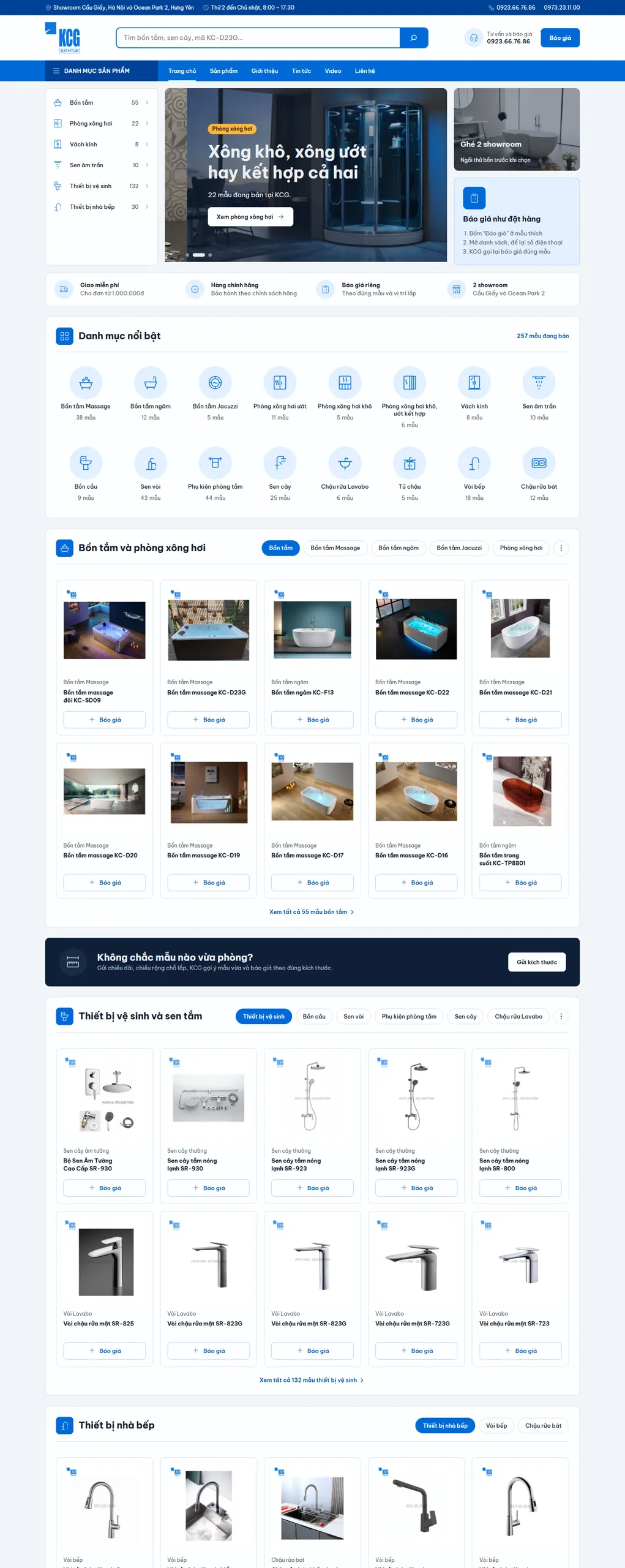
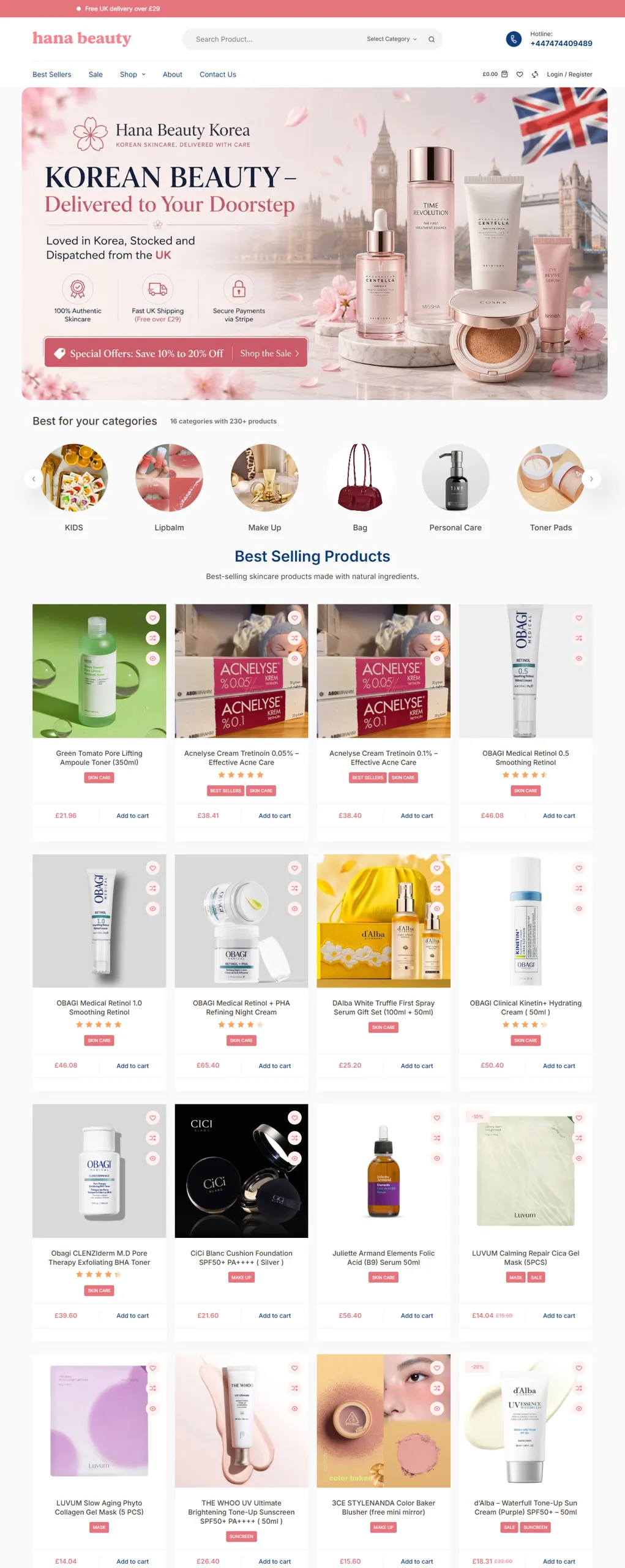
Ninseeds sells seeds and farm produce to people who grow their own vegetables and plants at home. We built an online shop where Ninseeds shows its products by category, takes orders through a shopping cart and lets customers see where each kind of seed comes from.
| Project facts | Details |
|---|---|
| Client | Ninseeds |
| Industry | Farm produce, seeds |
| Their customers | People who buy seeds and farm produce online; home gardeners |
| Website type | Online shop, e-commerce |
The challenge
Buying seeds is different from buying an ordinary product. Customers only find out whether the seeds are good after a few weeks of growing, when they have already spent effort, space and a whole growing season. So the first question for someone buying seeds online is: where do these seeds come from, who produced them, and are they really the variety named on the label?
Home gardeners are usually not professionals. They buy for a specific need: a leafy vegetable for a foam box on the roof terrace, a few herbs, a fruit tree variety. If products are shown in a jumble, they struggle to find what they need and are quick to leave. For farm produce, customers also need to see the selling unit and price clearly before ordering.
When selling through social media, every order is a chat asking about price, stock and address. As the number of seed types grows, this takes the seller's time and makes customers wait. An online shop solves three things at once: customers browse by group, choose and order on their own, and the seller receives orders that already have all the details.
Site structure
The website is built around three main parts, matching the three questions a buyer asks: what is there, how do I buy, and where does it come from.
- Product categories: seeds and farm produce split into groups, so customers go straight to the type they need instead of scrolling through the whole shop.
- Shopping cart: customers put several kinds of seeds into one order and review it before placing it.
- Product origin page: explains where the products come from, which is what seed buyers care about most before they pay.
These three parts serve two kinds of customers. A first-time buyer needs to read about the origin before trusting the shop, then moves on to the categories to pick seeds. A returning customer already knows the quality and only needs to go straight to a category, add items to the cart and reorder quickly. A seed shop has to let both kinds of customers reach an order without detouring through parts they do not need.
Key features
- Categories by product group. There are many kinds of seeds. Grouping them helps home gardeners quickly find the vegetable or plant they plan to sow.
- Shopping cart and online ordering. Customers often buy a few different packets at once. The cart gathers everything into one order, so the seller does not have to copy details from each message.
- Origin page. For seeds, a clear origin is the reason customers trust the shop and buy again next season, so we gave it a page of its own instead of a small line in the footer.
The points to get right when selling farm produce online, such as how to split categories, how to show units and prices and how to present real origin, are covered in detail in our guide to websites for selling farm produce. If you are weighing which features an online shop must have, our guide to the essential features of a shop that manages its own orders covers that.
Handover and day-to-day use
As with every project, we handed the site over with an admin guide. The shop owner adds new products, changes prices, arranges categories and updates the origin page in the admin dashboard without calling a developer. Seeds are sold by season, so the owner needs to be able to put new stock online or hide out-of-season items right away.
The kinds of online shops we build are on our ecommerce website and retail website design pages. Want to sell seeds, farm produce or your own products on a website of your own? Contact Digotech to talk it through.
In short
- Ninseeds sells seeds and farm produce to home gardeners; seed buyers care most about origin.
- The online shop has product categories, a shopping cart and a page about product origin.
- Handed over with an admin guide; the owner adds products, changes prices and updates categories by season.